WHAT IS ROCK DANCE?
Rock Dance is a dance that developed within the street culture of New York from the late 1960s to the early 1970s. Its background includes music, dance, community, and the culture of the people who lived there.
Regarding the name “Rock Dance,” one explanation is that it comes from the fact that it was danced to Rock Music. On the other hand, there is also an explanation that the name came from movements that rock the body back and forth, from side to side, and up and down.
However, Rock Dance is not simply the name of a dance. It is about feeling the music, moving the body, and expressing yourself. Rock Dance has a mindset and culture that go beyond dance.
BEFORE ROCK
Rock Dance did not suddenly emerge from nothing. Behind it were various dances that had been danced on the streets and dance floors of New York before Rock, as well as the sense of movement that emerged from them.
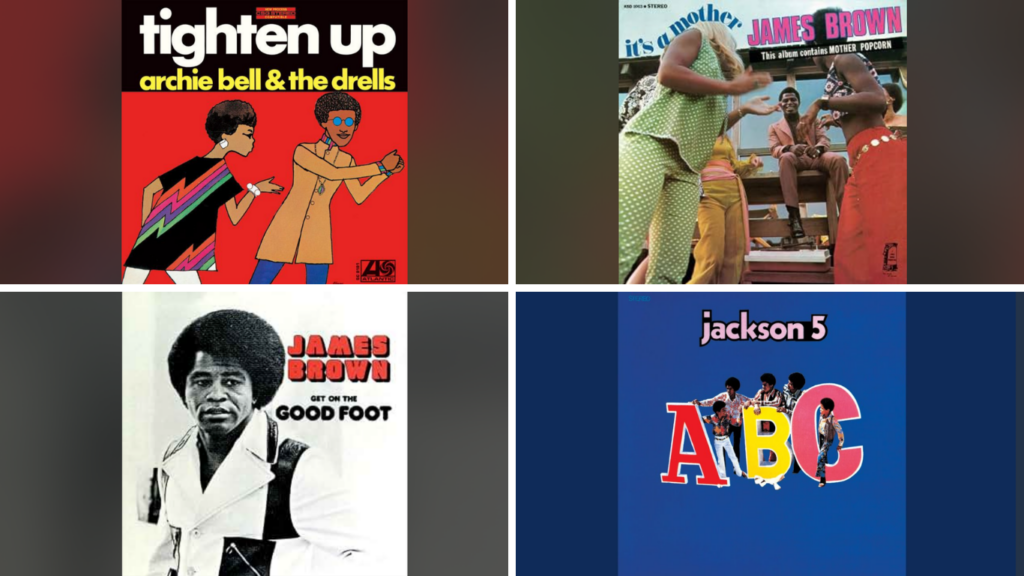
In the lineage of Rock Dance as told by Papo, dances such as Tighten Up, Mother Popcorn, ABC, and Good Foot are mentioned as important elements that led to later Rock Dance. The Funk, Rhythm, and Groove found in these dances helped shape the physicality of Rock Dance as a style.
African American music cultures such as Soul, Funk, and Jazz, and Latin music and dance cultures such as Salsa, Mambo, and Merengue came together and were developed by young people on the streets of New York. Rock Dance was shaped through this intersection of cultures.
Different music and cultures came together in the streets of New York and transformed into new forms of expression through the sensibilities of young people themselves. This process of “being born in the streets and developed by young people” is also shared with HIPHOP culture, which would later emerge from the Bronx as well.
In the history shared by Papo, Rock Dance is positioned as one of the earliest street dances to emerge in New York. Knowing this background also helps us understand the environment from which HIPHOP emerged.
FREESTYLE ROCK
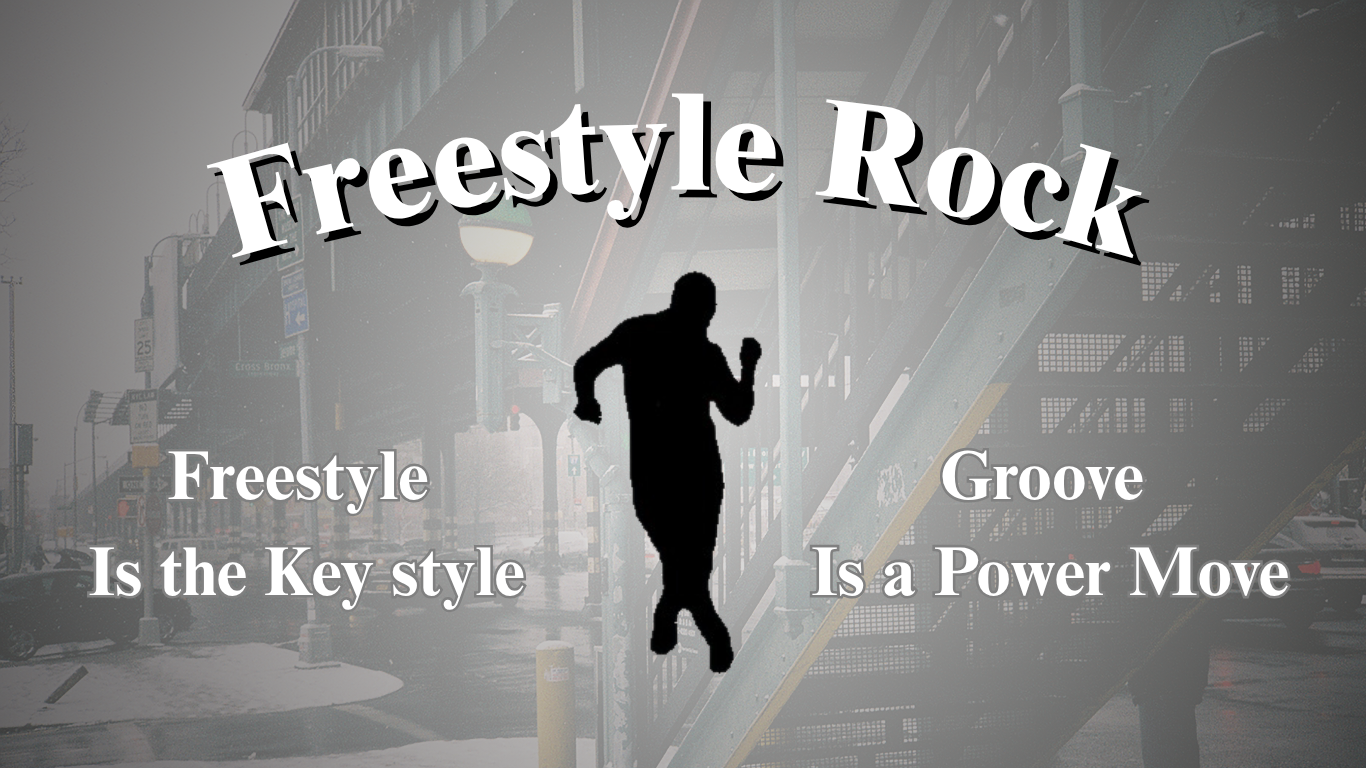
There is not just one dance called “ROCK.”
When exploring the history of street dance in New York, you will encounter different styles and cultures that carry the name “ROCK.” In particular, the Freestyle type of Rock passed down by Papo and others in the Bronx and Upper Manhattan, and Rocking, which developed mainly in Brooklyn, are sometimes referred to by the same word, “ROCK,” but each has a different background and style.
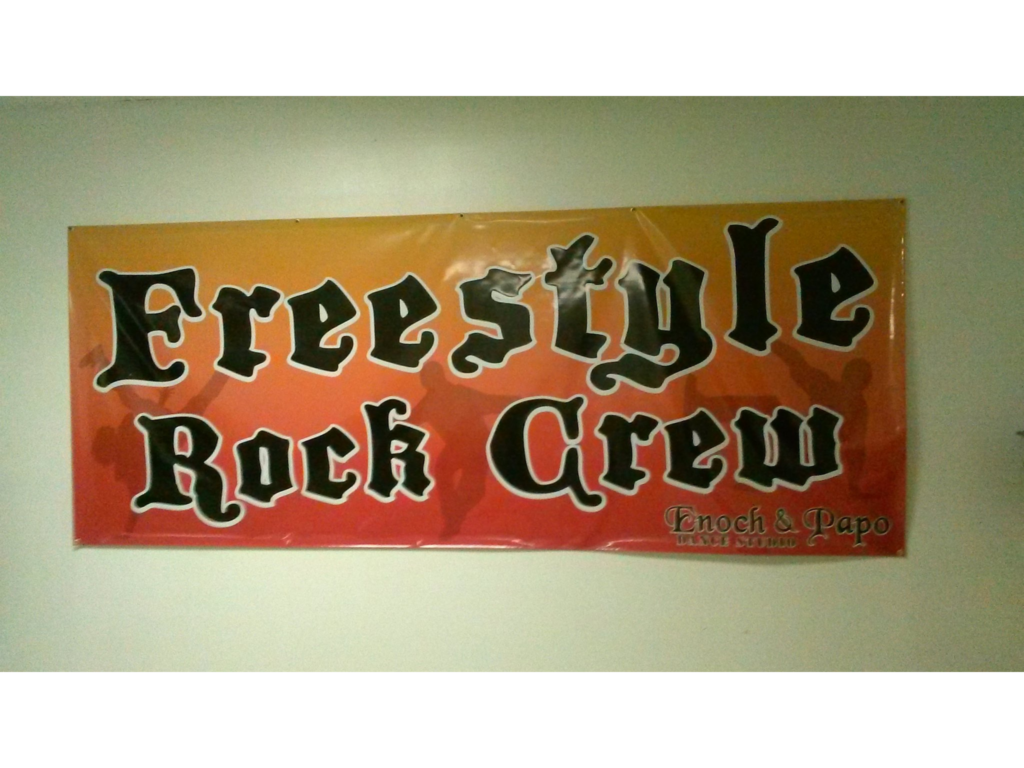
The Original Freestyle Rock passed down by Papo and Enoch is a style inherited from the first generation of Rock Dancers in the Bronx and Upper Manhattan. It values not only footwork, Groove, and improvisation, but also the movement of the entire body and the connection with music. Rather than simply dancing predetermined forms, it seeks to feel the music and express oneself in one’s own way.
On the other hand, Rocking, which developed mainly in Brooklyn, also has its own history and style. The culture of Rocking, which includes movements such as Jerk and Burn, needs to be understood as a lineage distinct from Freestyle Rock.
New York has a history of Rock shaped by different areas, generations, and communities. This site focuses on the Original Freestyle Rock directly passed down from Papo to Shido, sharing its history, physicality, relationship with music, and Rock as a culture.
THE ELEMENTS
1 — SOPHISTICATION(洗練されたスタイル)
2 — CHARISMA(カリスマ性)
3 — IMPROVISATION(即興性)
4 — RHYTHM(リズム感)
5 — FUNK(ファンク)
6 — GROOVE(グルーヴ)
7 — BOUNCING(バウンス)
8 — SPRING DROPS(スプリングドロップ)
RHYTHM / FUNK / GROOVE
Rhythm, Funk, and Groove are essential elements in understanding Freestyle Rock.
Rhythm in dance does not come from music alone. Rhythm is created in the dancer’s body through the overlap of Movement, Music, and Emotion.
If the Beat is the basic pulse within music, Rhythm is the pattern of sounds and movements that unfolds over it. And by feeling Funk and Groove through the body, even the same movement becomes an expression unique to each person.
Groove is the “Feel” that emerges from physically feeling repeated Rhythm. That is why in Freestyle Rock, it is important not only to learn the steps, but also to listen to, feel, and express the music through the body.
Papo uses the word “Groovement” to express this connection between the body and music. Not only Skill and Footwork, but the body itself connecting with the music and moving with Groove. This is also an important characteristic of Original Freestyle Rock.
LOVERS, NOT FIGHTERS
Rock Dancers saw themselves as “Lovers, not fighters.”
Dance was also a way to distance themselves from an environment surrounded by violence and to express their own energy. They honed their skills, felt the music, competed with their peers, and developed their own style.
The Original Rock that Papo has passed down is not simply about steps or technique. It is a culture that values Skill, Style, Music, Groove, and connections with people.
ORIGINAL TO NEW WAVE
Knowing the Original does not mean going back to the past. It means understanding what those who came before us left behind, receiving its essence, and connecting it to new forms of expression in our own time.
While respecting the foundation and spirit passed down from the era in which Rock was born, we express it through the music, sensibilities, and bodies of our time.
We believe that this is also necessary to carry Rock forward to the next generation as a living culture.
“I want to see your ROCK.” – Papo
These are the words Papo passed on to Shido.
Rather than simply recreating the style of the 1970s, understand its foundation and express our own Rock through the music we feel in our time, in our own way.
That is the idea of “New Wave Rock” that Papo passed on to Shido.
KEEP THE ORIGINAL, CREATE THE NEW
Preserving the Original and evolving it are not contradictory.
If we do not know the Roots, we do not know what we are carrying on. If we do not know those who came before us, we do not know where we came from. That is why we learn, understand, and respect the Original. And then, we live in our own time.
Music, dance, and culture all become the past the moment they stop. While passing on what we have received to the next generation, we evolve it into an expression of our own time.